
In Phoenix, the cost of mobile home skirting average cost typically ranges from $800 to $3,000 or more. Depending on several key factors, vinyl skirting for a single-wide home in Phoenix runs about $500 to $1,800, including materials and labor. Likewise, high-end materials or larger homes, you could see totals closer to $2,500–$3,000. Furthermore, For a complete overview, a professional mobile home skirting service provider can show you the best path.
What are the Key Pricing Factors of Skirting a mobile home?
Calculating the exact cost of your skirting project goes beyond square footage rates—it requires attention to your mobile home’s specific layout, material preferences, and any unique site conditions.
To help Phoenix homeowners get a tailored estimate, we offer a convenient mobile home skirting cost calculator that factors in key variables like home size, desired skirting type, and installation preferences. This easy-to-use tool provides a ballpark figure based on real local pricing trends and helps you plan your budget more effectively.
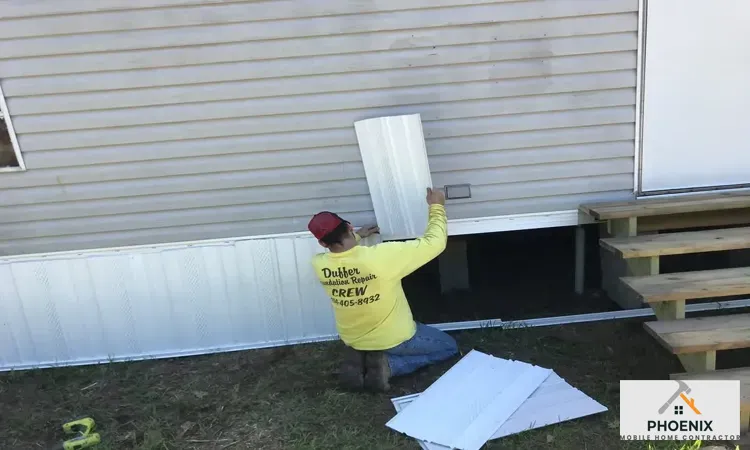
Material Choice:
Vinyl is the most budget-friendly option, while insulated panels, metal, or faux stone significantly increase the price. Below is a cost overview:
| Skirting Material | Estimated Cost (per linear foot) | Total for 192 LF (approx.) |
| Vinyl Skirting | $3 – $8 | $576 – $1,536 |
| Faux Stone Panels | $10 – $25 | $1,920 – $4,800 |
| Insulated Vinyl Panels | $12 – $18 | $2,304 – $3,456 |
| Galvanized Metal | $7 – $15 | $1,344 – $2,880 |
Average Pricing by Mobile Home Size:
Single-wide homes usually cost less to skirt than double-wide models due to perimeter length. Double-wide homes, such as the 28×60 layout, often require taller panels and reinforced venting, making it essential to choose double-wide mobile home skirting solutions designed for durability and code compliance in Phoenix’s climate.
| Mobile Home Size/Layout | Estimated Linear Footage | Cost Range ($3–$10 per sq ft) | Estimated Total Cost | Notes and Variants |
| 14×70 (Single-Wide) | ~168 linear feet | $3 – $10 per sq ft | $500 – $1,700 | Popular budget option; how much skirting for a 14×70 mobile home |
| 16×80 (Single-Wide) | ~192 linear feet | $3 – $10 per sq ft | $600 – $1,900 | Standard double-wide size; average cost to skirt a 16×80 mobile home |
| Custom Layout | Varies (180–240 ft avg) | $3 – $12 per sq ft (depends on design) | $600 – $2,800 | Increases aesthetic value; mobile home skirting with tile |
| Double-Wide (28×60) | ~176 linear feet | $4 – $12 per sq ft (often taller skirting) | $800 – $2,500 | Includes framing support; mobile home skirting with roof |
| Single-Wide (various) | 150–190 linear feet avg | $3 – $10 per sq ft | $500 – $1,800 | Seamless look with exterior; mobile home skirting with vinyl siding |
Labor Rates: Local contractor rates and accessibility can influence final installation costs.
Custom Features: Vents, access panels, or reinforced skirting for pets or pests can add to the price.
Linear Footage Requirements
The total skirting cost is primarily based on the linear footage of the mobile home. To calculate this, homeowners should measure the perimeter of their home, factoring in bump-outs or attached patios. For example, a 16×80-foot single-wide mobile home (approx. 192 linear feet) would need significantly more material than a compact park model.
- Climate Resistance Requirements
Phoenix’s desert conditions influence the demand for heat-tolerant skirting. Materials prone to warping or fading—such as low-grade vinyl—may lead to faster degradation and replacement costs, increasing total ownership expenses. - Installation Type
Homeowners choosing DIY skirting installation save on labor but must purchase additional tools (cutting blades, snap locks, stakes). Unless, professional installation can add $5–$10 per linear foot depending on complexity.
How much does mobile home skirting cost per square foot?
Mobile home skirting typically costs $2–$10 per square foot, depending on the material:
- Vinyl: $2–$4/sq ft
- Insulated vinyl: $5–$9/sq ft
- Metal (aluminum/steel): $4–$8/sq ft
- Faux stone or brick: $7–$10+/sq ft
- Concrete or block: $10+/sq ft
Labor may add $3–$7/sq ft if professionally installed. Total project cost varies with perimeter size, site conditions, and local rates. Homeowners can explore the followings by calling an experienced single-wide skirting services based on their home layout.
How do permit and zoning requirements affect mobile home skirting costs in Arizona?
Permit and zoning requirements in Arizona, can add $100–$500+ to mobile home skirting costs due to the need for compliance with city codes and mobile park regulations. In this regard, to avoid delays and ensure compliance, at first read a mobile home skirting installation guideline carefully.
How Requirements Affect Costs?
- Permit Fees
- Typical cost: $50–$300
- Required for new or replacement skirting depending on material or structural impact
- Inspection Requirements
- May involve one-time or phased inspections
- Can lead to delays or rework if noncompliant
- Zoning & HOA Restrictions
- Some parks or zones mandate specific materials, venting standards, or aesthetic guidelines
- Noncompliant materials (e.g., unvented panels) may require removal and replacement
- Labor Impact
- Complying with codes often increases labor hours and cost
- Must ensure ventilation ratios, access doors, and fire-resistance standards are met
- Additional Documentation
- You may need to provide site plans, material specs, or HOA approval before work begins
Cost-Saving Opportunities
- Buying wholesale skirting kits from Phoenix-based suppliers (e.g., near Buckeye Rd. or South Mountain Village) may offer lower rates than national retailers.
- Some local providers include delivery and cutting services, reducing out-of-pocket installation expenses.
- Energy efficiency incentives may apply for insulated skirting, depending on income level and neighborhood (check the Arizona Department of Housing for rebate programs).
What are the Material-Based Cost Breakdown for Skirting?
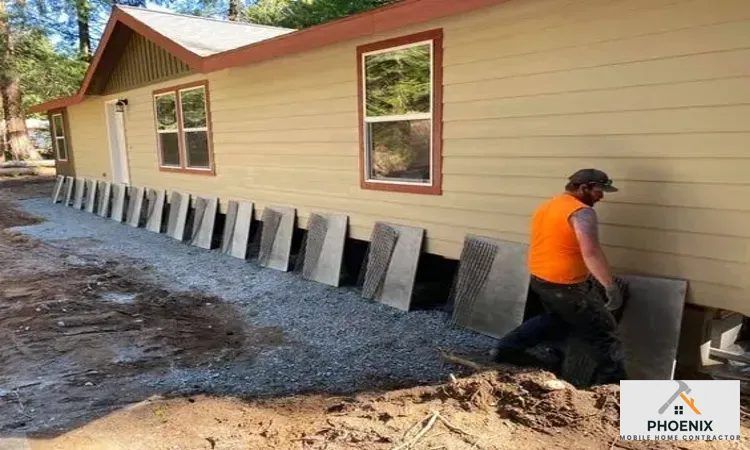
Skirting costs mostly depends on the material’s quality. The material based cost breakdown are given below,
How Material Type Influences Skirting Cost?
Material selection is the single most impactful factor on mobile home skirting cost in Phoenix. Different materials respond differently to the city’s arid climate, wind conditions, and ultraviolet (UV) exposure, making durability and maintenance essential considerations beyond the sticker price.
1. Vinyl Skirting: Cost-Efficient but Climate-Sensitive
Vinyl skirting panels are among the most commonly used options due to their low cost and easy installation. However, Phoenix’s high summer temperatures can accelerate warping, fading, and brittleness, especially on south-facing walls.
- Average Material Cost: $3–$8 per linear foot
- Installation Considerations: May require UV-treated variants
- Total Installed Estimate for 192 LF: $1,000–$2,000
Vinyl kits sold locally—such as those available in Glendale or Mesa—often include corner pieces, vent covers, and ground tracks, though Phoenix residents may need to upgrade to heat-rated models for extended lifespan.
2. Faux Stone Skirting: Premium Appearance with a Matching Price
Faux stone panels, often constructed from polyurethane or composite blends, are favored for their high aesthetic value and resistance to extreme temperatures. These panels often meet HUD compliance. Learn more about durable skirting systems for double-wide mobile home designed to meet Phoenix’s building and aesthetic standards.
- Material Cost Range: $10–$25 per linear foot
- Labor Intensive Installation: Adds $1,500–$2,000 to project cost
- Average Installed Price for 192 LF: $3,500–$6,500
3. Insulated Vinyl Skirting: Energy Efficiency with Upfront Investment
Insulated skirting panels are increasingly recommended by energy auditors in Phoenix due to their ability to block radiant heat and reduce crawl space temperature spikes.
- Base Price: $12–$18 per linear foot
- Installation Complexity: Typically requires professional labor
- Full Cost Estimate: $3,000–$4,500
4. Galvanized Metal Skirting: Durable but Susceptible to Rust
Galvanized metal skirting is another durable option used in mobile parks near industrial areas or flood zones. While it offers strong resistance to impact and pests, improper sealing can lead to rust—especially around hose bibs or shaded sidewalls with condensation exposure.
- Cost Range: $7–$15 per linear foot
- DIY Feasibility: Moderate, requires cutting shears and anchor hardware
- Typical Total Cost: $2,000–$3,500
Comparing DIY and Professional Skirting Installation Costs in Phoenix
Let’s see the difference between DIY and Professional Skirting Installation Costs.
DIY Skirting Installation: Cost-Saving With Trade-Offs
For many homeowners, DIY skirting installation appears to be the most budget-conscious approach. But while it eliminates labor charges, it introduces tool costs, time investment, and the risk of non-compliance with city regulations.
Direct Material Cost (Vinyl Example):
- $600 for 192 linear feet of vinyl panels
- $80–$150 for accessories (corners, vents, fasteners)
- $100–$300 for tools (snips, tape measures, stakes, ground rails)
- Total DIY Range: $800–$1,100
Time Investment: 10–16 hours for basic installs; longer with uneven terrain
Hidden Costs:
- Rework due to incorrect cuts or warping
- Improper ground clearance (must align with Phoenix’s minimum airflow rules)
- Warranty voids if skirting kits aren’t installed to spec
Many residents in Tempe, Alhambra, and North Phoenix report that improperly installed skirting failed after monsoon season or was flagged during housing inspections.
Professional Skirting Installation: Higher Upfront Cost, Lower Risk
Professional installers typically charge between $5–$10 per linear foot for labor, with pricing influenced by:
- Material type
- Soil conditions (rocky desert areas may require more prep)
- Accessibility (tight lots or attached decks add labor time)
Average Labor Cost Breakdown (192 LF):
- Vinyl: $960–$1,440
- Faux Stone or Metal: $1,500–$2,300
- Insulated Skirting: $1,800–$2,500
Included Services:
- Ground leveling and debris removal
- Proper vent spacing and door access panel installation
- Compliance with Phoenix Building Codes for mobile structures
Most professional contractors offer warranty protection ranging from 1–5 years and are familiar with HOA-specific guidelines in areas like Arcadia Lite or Paradise Valley Village.
Hybrid Option: Partial DIY with Pro Finish
Some homeowners opt for a hybrid method, where they purchase and pre-cut materials themselves, then hire professionals for alignment, securing, and finishing.
- Cuts cost by 20–30%
- Retains the benefit of professional oversight
- Reduces errors in compliance-critical sections (corners, vent spacing)
Local hardware outlets like those near 19th Avenue Corridor offer cut-to-fit services, which can support this hybrid approach with measured accuracy.
How Seasonality and Supply Chains Influence Skirting Costs in Phoenix?
Seasonality impacts mobile home skirting costs in Phoenix due to demand spikes during extreme heat and monsoon seasons. Supply chain fluctuations for skirting materials affect pricing based on availability and transportation delays. Mobile home skirting installation costs also shift with labor demand. Planning around seasonality and supply chain trends helps Phoenix homeowners save on skirting projects.
Seasonal Timing and Its Impact on Installation Rates
Mobile home skirting cost in Phoenix is not static throughout the year. Seasonal factors, including weather, demand surges, and labor availability, have a direct influence on pricing and project timelines. Understanding these timing dynamics can help residents reduce out-of-pocket expenses.
Peak Season (October–March):
- Coincides with Phoenix’s cooler, dry season—ideal for outdoor work
- High demand for mobile home repairs before winter months
- Contractor rates increase by 15–25% during this window
- Lead times for booking professionals range from 2–4 weeks
Off-Peak Season (June–August):
- Scorching summer heat (often exceeding 110°F) reduces workdays
- Many installers reduce hours or suspend operations due to safety
- Potential savings of $500–$800 if you book during slower months
- However, materials can become brittle, complicating DIY installation
Many homeowners in South Phoenix, Maryvale, and Estrella Village report that planning projects in April or September strikes the right balance between cost and availability.
Material Supply Volatility and Bulk Discounts
Material availability in Phoenix is tightly linked to national supply chains, particularly for faux stone panels and insulated systems. Disruptions (e.g., PVC shortages, freight delays) may result in:
- 2–3 week backorders from major suppliers
- Pricing surges of up to 20% for specialty finishes or color-matched accessories
For example, insulated kits sold by regional distributors near Buckeye Rd. were reported to spike in cost by over $400 during post-pandemic supply chain shortages.
Ways to Mitigate Supply-Driven Cost Fluctuations:
- Buy off-season inventory: Many suppliers clear out inventory in early spring
- Purchase through co-ops: Home improvement co-ops in Mesa or Goodyear often offer volume discounts if multiple homeowners coordinate orders
- Use standardized colors: Custom color orders increase costs and lead times by 2–3 weeks
Labor Scheduling Incentives
Phoenix contractors often offer seasonal incentives during low-demand periods:
- Free consultations or permit filing
- Discounts of $100–$250 for homes under 150 LF
- Extra vent panels or access doors at no charge
These offers are especially common during:
- Monsoon recovery months (August–September)
- Post-holiday repair windows (January–February)
Residents in Ahwatukee Foothills and North Gateway neighborhoods often capitalize on these promos to manage larger skirting projects affordably.
How Location Within Phoenix Affects Mobile Home Skirting Costs?
Mobile home skirting costs in Phoenix are not uniform across the metro area. Factors such as land value, installer concentration, regulatory differences, and labor availability create meaningful price spreads from one neighborhood to another. These differences are particularly pronounced between urban core areas and suburban perimeters.
1. Central Phoenix and Urban Core Districts
Neighborhoods such as Downtown Phoenix, Roosevelt Row, and Encanto tend to reflect:
- Higher labor rates due to demand and parking access issues
- Tighter zoning requirements (historic districts or HOA overlays)
- Increased likelihood of needing design approval or variance
Typical Cost Increase: $400–$700 above baseline
Material Restrictions: Often require upgraded aesthetics (e.g., faux stone over standard vinyl)
Installers servicing these zones often add travel surcharges or require bundling of services (skirting + access door + vent upgrades) to justify time spent in traffic-congested environments.
2. East Valley and Suburban Expansion Zones
Tempe, Chandler, and Mesa are home to numerous mobile home parks and retirement communities. As such, installation providers here offer:
- More competitive pricing due to volume jobs
- Lower minimum project thresholds (under 100 LF accepted)
- Easier permit filing through streamlined processes in Maricopa County
Cost Range (Vinyl): $1,100–$1,600 fully installed
Popular Add-ons: Corner upgrades, reflective vent panels for sun-facing walls
Bulk demand in Sun Lakes and Apache Junction encourages material dealers to offer pallet rates or rebate incentives when full kits are purchased together.
3. West Phoenix and Outlying Districts
Regions like Maryvale, Tolleson, and Estrella Village report the lowest per-foot skirting rates due to:
- Lower contractor overhead
- Minimal zoning enforcement beyond basic HUD compliance
- Access to warehouse distributors along Buckeye Industrial Corridor
However, residents must account for:
- Fewer warranty-backed installers
- Delays in scheduling (2–3 weeks out for basic installs)
- Limited access to premium skirting systems
Cost Range (Metal Skirting): $1,300–$1,900 with basic venting
4. North Phoenix and Foothill Communities
In neighborhoods such as Desert View, Deer Valley, and Ahwatukee Foothills, skirting projects typically include:
- Premium materials suited for elevated terrain or wind-exposed lots
- Mandatory use of anchoring systems
- Preference for insulated or UV-coated systems due to slope exposure
Installers here often specialize in permanent foundation systems, increasing the price range but also long-term value.
Cost Premium: +$800–$1,200 over base vinyl systems
Inspection Rate: 95% of projects undergo city or HOA review
Conclusion: Price Banding by Region
| Region | Typical Material | Installed Cost Range | Common Add-ons |
| Downtown/Core | Faux Stone | $3,000–$5,000 | Aesthetic approvals, premium vents |
| East Valley | Vinyl | $1,100–$1,600 | Reflective vents, corner caps |
| West Phoenix | Galvanized Metal | $1,300–$1,900 | Basic vents, DIY support options |
| North Phoenix/Foothills | Insulated Vinyl | $2,800–$4,000 | Anchoring systems, foundation brackets |
Long-Term Cost of Ownership for Mobile Home Skirting in Phoenix
The long-term cost of mobile home skirting in Phoenix ranges from $1,000 to $5,000 over its lifespan. Material choice, climate exposure, and maintenance frequency affect total ownership expenses. Vinyl skirting offers lower upkeep, while stone or brick requires higher initial investment but lasts longer. Regular inspections and repairs help control lifetime costs and preserve property value.
Evaluating Skirting as a Long-Term Investment
While initial skirting cost is a key concern, the total cost of ownership (TCO) over time can significantly shift the equation—especially in Phoenix’s extreme climate conditions. Homeowners must evaluate both upfront investment and recurring maintenance when choosing skirting types.
1. Material Lifespan and Degradation Rates
The desert climate in Phoenix—marked by intense UV exposure, fluctuating temperatures, and monsoon winds—places added strain on skirting systems. Below is a comparison of average material lifespans when installed under standard conditions and maintained annually.
| Skirting Material | Average Lifespan (Phoenix Climate) | Typical Replacement Interval |
| Basic Vinyl | 5–7 years | May require full replacement |
| Insulated Vinyl | 10–15 years | Spot patching around vent holes |
| Galvanized Metal | 12–20 years | Periodic rust removal needed |
| Faux Stone Panels | 15–25 years | Sealing recommended every 5 yrs |
Maintenance costs over a decade can range from:
- $200–$500 for cleaning, sealants, and minor part replacement (vents, stakes)
- $1,000+ for full reinstallation if damage exceeds patching viability
2. Impact of Heat and Solar Radiation
Phoenix’s prolonged heat cycles cause warping, brittleness, and color fade, especially on south- and west-facing panels. Homeowners using low-grade vinyl may experience issues like panel buckling within 2–3 summers. Follow these single-wide modular home skirting maintenance tips to avoid common wear-and-tear in Phoenix climates.
- Panel buckling within 2–3 summers
- Dislodging from tracks due to expansion and contraction
- Color mismatch after partial replacements
Solutions for Heat Resistance:
- Choose UV-rated skirting systems
- Apply radiant barrier wrap behind the panels to reduce surface temperature
- Use textured finishes like faux rock, which diffuse sunlight and reduce glare exposure
3. Repairs and Hidden Maintenance Costs
Common repair scenarios that impact ownership costs in Phoenix include:
- Rodent intrusions due to improper vent seals
- Monsoon wind damage loosening bottom tracks
- Cracked corner joints from improper DIY cuts
Estimated Repair Costs:
- Individual Panel Replacement: $30–$75 per panel (plus labor)
- Vent Sealing and Patching: $150–$300
- Full Skirting Line Realignment: $500–$900 depending on linear footage
4. Cost Recovery Through Energy Efficiency
Insulated skirting offers potential for utility savings, especially in cooling costs. Consider skirting energy efficiency improvements for double-wide for optimal insulation in hot zones like Desert View or South Mountain. it can:
- Reduce HVAC strain
- Minimize moisture-induced flooring degradation
- Improve resale value due to long-term durability
Final Words
Investing in quality, compliant, and climate-resilient mobile home skirting in Phoenix adds more than structural enclosure—it improves aesthetic value, resale potential, energy efficiency, and long-term code alignment. With smart planning and resource use, homeowners can make upgrades that pay off both financially and functionally.